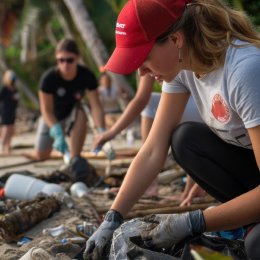

Homelessness touches every part of the Valley. On the night of the 2025 point-in-time count, the Maricopa Association of Governments (MAG) counted 9,734 people experiencing homelessness in Maricopa County, the highest total since national tracking began in 2007. If you want to help, the most effective giving connects people with food, health care, and a path to stable housing. Here are practical ways to help the homeless in Phoenix this season and all year.
How big is homelessness in Phoenix?
Homelessness in the Phoenix area has grown in recent years. The 2025 MAG point-in-time count found 9,734 people experiencing homelessness in Maricopa County, a 3% increase from 9,435 in 2024. Of those counted, 5,207 were unsheltered and 4,527 were in shelters.
Point-in-time counts are a one-night snapshot required by the U.S. Department of Housing and Urban Development (HUD) and are widely believed to undercount the true number. Rising rents and limited support services continue to drive need.
What is the best way to help the homeless in Phoenix?
Give through trusted organizations that offer long-term help. The City of Phoenix’s Healthy Giving campaign encourages residents to support established nonprofits rather than giving cash or items directly on the street. Organizations already doing the work can connect people with housing, job training, health care, and mental health support.
That does not mean you cannot show kindness in the moment. A respectful greeting and knowing where to point someone for help both matter.
What should you donate to homeless shelters?
Donate the items shelters ask for most, and check each organization’s current needs first. The City of Phoenix lists these as most-needed items:
- Canned and nonperishable food, especially proteins and peanut butter
- Bottled water
- Hygiene products and toiletries
- New shoes, socks, and underwear
Cold nights in December and January also raise demand for blankets and warm layers at some programs. Call ahead before dropping off large donations. You can bring items to the Dr. Alex Kim Foundation through our donation drop-off.
How can you volunteer to help the homeless in Phoenix?
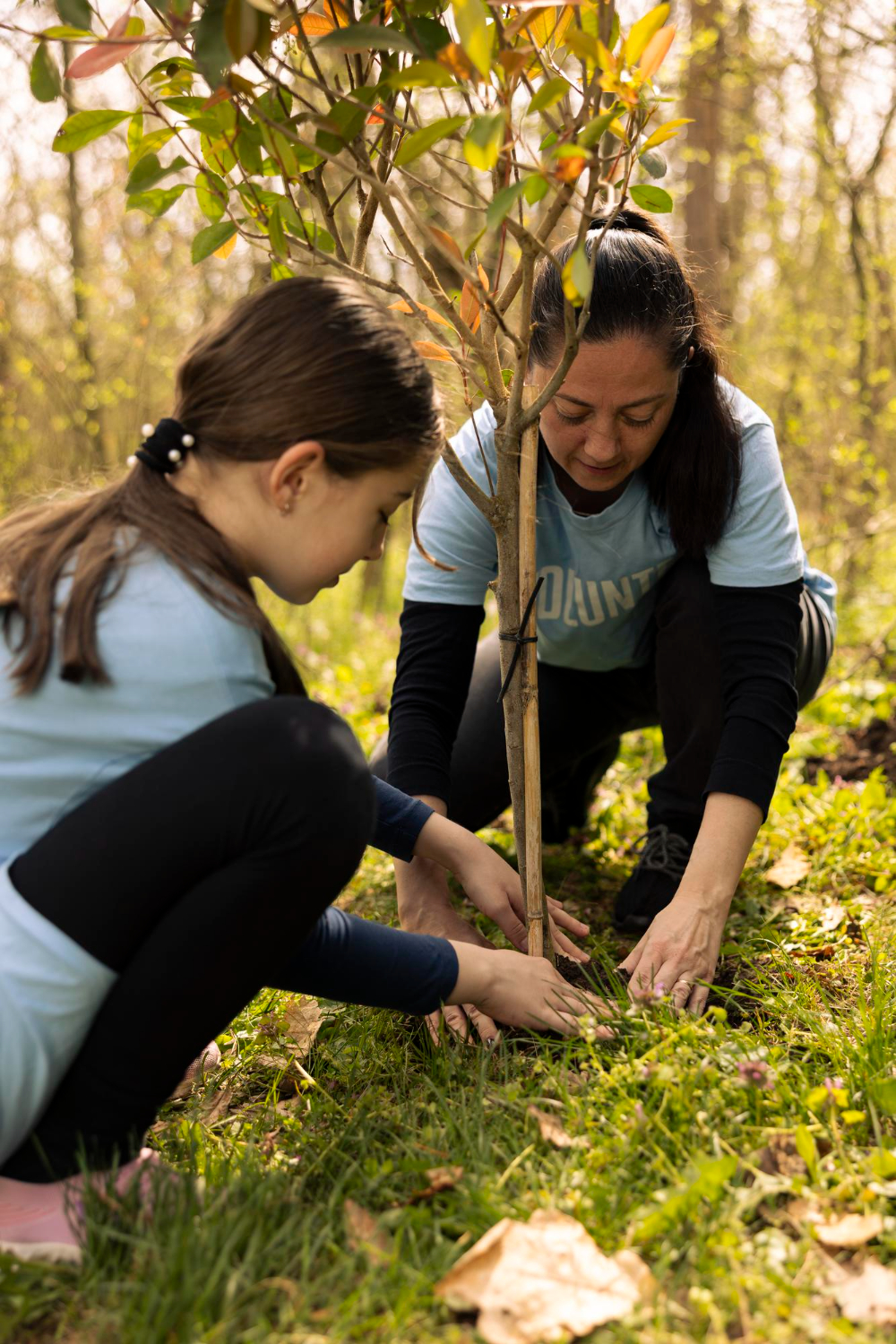
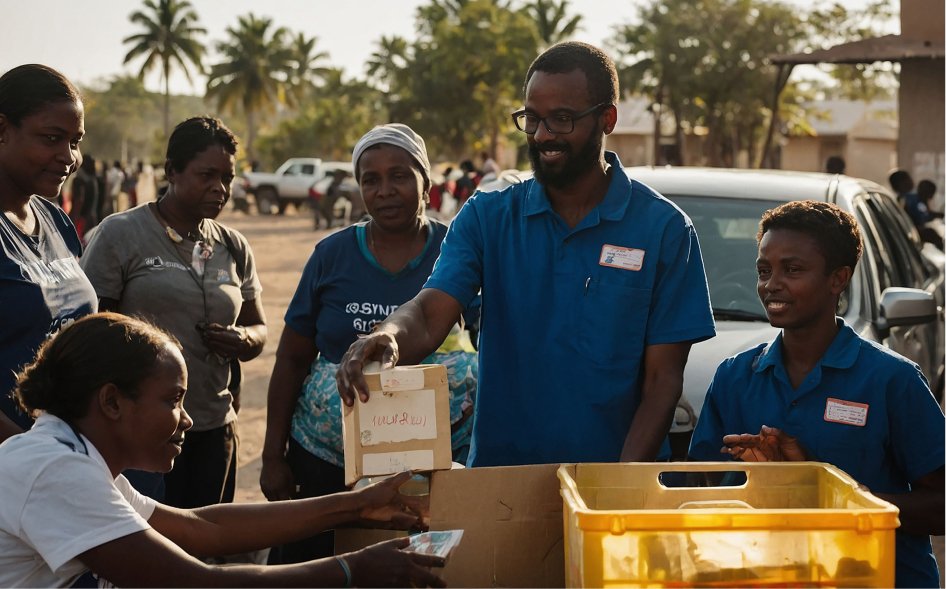
Volunteer with shelters, food banks, outreach teams, or community programs that serve people experiencing homelessness. Holiday weeks fill up fast, while January through spring often has more openings and real need.
Helpful roles include sorting and packing food, serving meals, helping at health fairs, tutoring, and assisting with paperwork. See current volunteer opportunities in Phoenix with the Dr. Alex Kim Foundation.
Who do you call to get help for a homeless person?
For a life-threatening emergency, call 911. For non-emergency help finding shelter, food, or other services anywhere in Arizona, dial 2-1-1 or visit 211 Arizona, a free statewide information and referral service.
In Phoenix, you can report encampments or someone who regularly needs services to PHX C.A.R.E.S. through the myPHX311 app or by calling 602-262-6251, Monday through Saturday, 8 a.m. to 5 p.m. If someone is in a mental health crisis, call or text 988. Veterans can find VA homeless programs through the VA website.
How does housing assistance help end homelessness?
Stable housing is the foundation for health, work, and school. Many people who are homeless or at risk need help understanding eligibility rules, completing applications, and connecting with public housing agencies.
The Dr. Alex Kim Foundation’s Housing Assistance program offers one-on-one, bilingual guidance to help Phoenix families and individuals navigate U.S. government housing programs and stay supported after they move in.
How can businesses and groups help?
Businesses, schools, and faith groups can multiply their impact by organizing together. Ideas include hosting a hygiene-kit or sock drive, matching employee donations, sponsoring a community health fair, or offering job-shadowing and hiring opportunities.
Groups can coordinate drives with a nonprofit so donations match real needs. Learn how to become a sponsor of Dr. Alex Kim Foundation programs.
How can you help homeless people with dignity?
Treat people with the same respect you would want. Make eye contact, offer a greeting, and ask before helping. Avoid taking photos or sharing images of people without their permission.
Learn about local resources so you can share accurate information, such as 2-1-1 or PHX C.A.R.E.S. Small acts of respect, combined with support for organizations that provide long-term services, make a real difference.
Frequently Asked Questions
Is it better to give money or items to homeless people in Phoenix?
The City of Phoenix encourages Healthy Giving: donating money or most-needed items to trusted nonprofits that connect people to housing and services, rather than giving directly on the street.
What items do homeless shelters in Phoenix need most?
Nonperishable food (especially proteins and peanut butter), bottled water, hygiene products, and new shoes, socks, and underwear top the City of Phoenix’s most-needed list.
How many people are homeless in Maricopa County?
The 2025 MAG point-in-time count found 9,734 people experiencing homelessness in Maricopa County, including 5,207 unsheltered.
What number do I call to report a homeless encampment in Phoenix?
Contact PHX C.A.R.E.S. through myPHX311 or call 602-262-6251, Monday through Saturday, 8 a.m. to 5 p.m. Call 911 for emergencies.
How can I volunteer to help the homeless this Christmas in Phoenix?
Sign up early with shelters, food banks, or community nonprofits, since holiday shifts fill quickly. The Dr. Alex Kim Foundation lists volunteer opportunities on its website.
Help Phoenix neighbors find stability. To donate, drop off items, volunteer, or ask about housing assistance, call the Dr. Alex Kim Foundation at (623) 236-1363 or contact us. You can also donate online.
Sources
- City of Phoenix – Give with Purpose This Holiday Season (Healthy Giving)
- City of Phoenix – PHX C.A.R.E.S. Coordinated Homelessness Response
- Maricopa Association of Governments – 2025 Point-in-Time Homeless Count
- Axios Phoenix – 2025 point-in-time count results (MAG data)
- 211 Arizona
- U.S. Department of Veterans Affairs – Homeless programs
- 988 Suicide & Crisis Lifeline
Featured image: Photo: U.S. Navy / Petty Officer 3rd Class Robert Brazzell, public domain, via Wikimedia Commons.